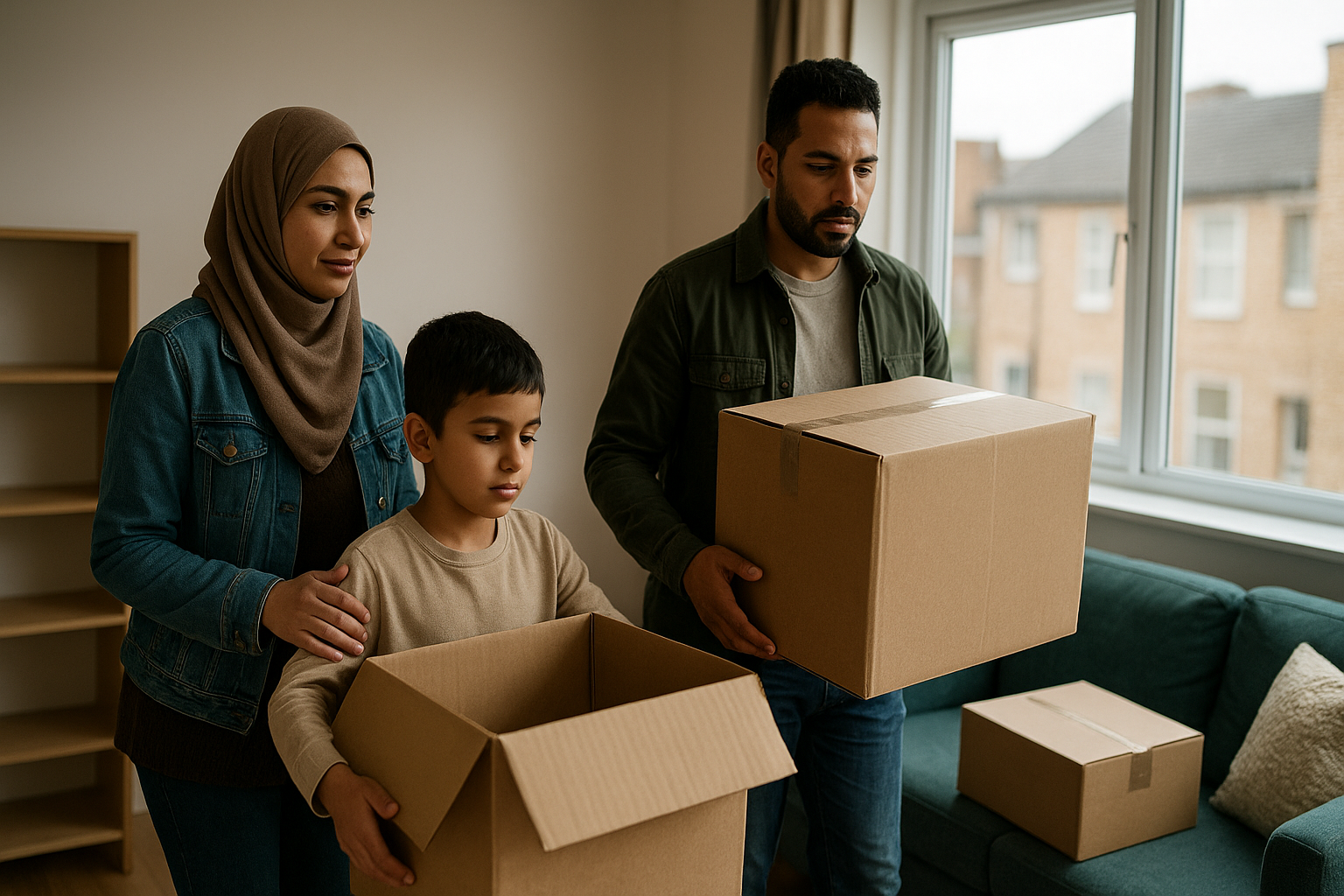
Raising children as an immigrant means navigating the complex terrain of preserving cultural heritage while helping children adapt to their new environment. This challenge affects millions of immigrant families worldwide, as parents balance maintaining connections to their roots with ensuring their children’s successful integration into local communities.
The experience involves constant decision-making about language use, cultural practices, religious observance, and social expectations. Children of immigrants often develop bicultural identities, moving between different cultural contexts at home, school, and within their broader community.
The Cultural Bridge Dilemma
Immigrant parents frequently find themselves serving as cultural bridges, translating not just language but entire worldviews for their children. This responsibility extends beyond simple communication to explaining different value systems, social norms, and expectations that may sometimes conflict with each other.
Children may struggle to understand why certain behaviors are acceptable in school but not at home, or why extended family members have different expectations than local friends’ families. Parents must help children navigate these differences while maintaining respect for both cultures.
Language Preservation and Academic Success
One of the most immediate challenges involves language decisions. Many immigrant families worry about maintaining their native language while ensuring children develop strong skills in the local language for academic and professional success.
Some parents choose to speak only their heritage language at home, while others adopt the local language to help children integrate. Research suggests that bilingualism offers cognitive advantages, but achieving true fluency in both languages requires sustained effort and community support.
Children may resist speaking their heritage language, especially during adolescence when fitting in with peers becomes paramount. This can create family tensions and concerns about losing cultural connections across generations.
Identity Formation Across Cultures
Children growing up between cultures often develop complex identities that don’t fit neatly into single categories. They may feel fully at home in neither their parents’ culture nor their new country’s culture, creating what researchers call “third culture” identities.
This process can be particularly challenging during adolescence when peer acceptance becomes crucial. Children may experience periods of rejecting their heritage culture, followed by later reconnection as adults.
Parents often worry about their children losing touch with important cultural values, religious practices, or family traditions. Finding ways to make heritage culture relevant and appealing to children growing up in different contexts requires creativity and patience.
Social Integration and Community Building
Successful cultural navigation often depends on finding or creating communities that understand bicultural experiences. Many immigrant families seek out cultural organizations, religious institutions, or community groups that celebrate their heritage while supporting integration.
School relationships can present unique challenges when cultural practices or family expectations differ significantly from local norms. Parents may need to advocate for their children while helping them develop skills to explain their backgrounds to peers and teachers.
Extended family relationships can become complicated when children develop different communication styles, interests, or perspectives than relatives in the country of origin. Video calls and visits may reveal growing cultural gaps that require sensitive handling.
Practical Strategies for Cultural Balance
Many immigrant families develop practical approaches to maintain cultural connections while supporting local integration. These might include celebrating holidays from both cultures, preparing traditional foods alongside local favorites, or sharing family stories that explain cultural background and values.
Some families establish regular connections with their country of origin through technology, travel when possible, or hosting visitors. Others focus on finding local expressions of their culture through food, music, art, or community events.
Educational support often requires parents to become advocates, helping schools understand their children’s backgrounds and needs. This might involve explaining cultural practices that affect school participation or helping teachers recognize the strengths that bicultural children bring to classrooms.
Managing Conflicting Expectations
Children may face conflicting messages about appropriate behavior, career choices, relationship expectations, or life priorities. Parents must help children understand different perspectives while developing their own value systems.
Dating, marriage, and career decisions often highlight these tensions most clearly. Families may need to negotiate between traditional expectations and local norms, finding compromises that respect both cultural perspectives.
Religious or spiritual practices can present particular challenges when children question traditions or want to explore different paths. Maintaining open dialogue while preserving important family values requires careful balance.
Long-term Cultural Transmission
Many immigrant parents worry about whether cultural knowledge and values will survive across generations. Children who initially resist heritage culture may rediscover it as adults, particularly when starting their own families.
The process of cultural transmission is rarely linear. Children may pick and choose elements from different cultures, creating hybrid identities that reflect their unique experiences while maintaining connections to family heritage.
Success in raising bicultural children often means accepting that the culture they preserve and pass on will be different from the culture parents originally knew. This evolution reflects the natural adaptation process that occurs across generations.
What This Means for Immigrants
Raising children between cultures requires patience, flexibility, and acceptance that the process will involve ongoing negotiation and adaptation. Success doesn’t mean perfectly preserving original culture or complete assimilation, but rather helping children develop strong identities that honor their complex backgrounds while preparing them for their futures. The bicultural skills children develop often become valuable assets, providing them with broader perspectives, enhanced communication abilities, and greater cultural competence in increasingly diverse societies.



Leave a Reply